
Accelerating marine spatial planning will unlock immense potential for the development of offshore wind power in Vietnam. This also presents a significant opportunity for Vietnam to increase its revenue and achieve net-zero emissions by 2050.
At the workshop "Offshore Wind Power and Marine Spatial Planning in Vietnam" held on the afternoon of April 20, experts stated that offshore wind power is considered one of the breakthrough solutions for energy transition and ensuring national energy security. This is closely linked to marine spatial planning, particularly the identification of high-potential sea areas and rational zoning for offshore wind development.
In-depth research needed for offshore wind power
According to Mr. Ta Dinh Thi, Deputy Chairman of the National Assembly's Committee on Science, Technology and Environment, developing renewable energy is a major policy of the Party, National Assembly, and Government of Vietnam, in which offshore wind power is regarded as a key breakthrough solution for energy transition and national energy security. This is closely related to marine spatial planning, especially identifying potential sea areas and proper zoning for offshore wind development. The marine spatial planning is currently being led by the Ministry of Natural Resources and Environment under the assignment of the Government and will be submitted to the National Assembly for approval in the coming period.
Mr. Ta Dinh Thi also shared that Vietnam is a coastal nation with vast offshore wind power potential. According to calculations, for areas with seabed depths exceeding 20 meters, the total technical potential scale for offshore wind power is approximately 165,000 MW. High-wind areas with strong economic potential are mainly concentrated in the South Central region (Binh Thuan, Ninh Thuan, Khanh Hoa, Phu Yen, Binh Dinh), with a total potential of around 80,000 MW at wind speeds above 7–9 m/s.
Furthermore, as one of the six countries most affected by climate change, Vietnam has been pioneering the implementation of “green” commitments, recognized by the international community as a role model of a developing country facing many difficulties yet taking leading steps for humanity's safe “shared home.”
At COP26, Vietnam committed to formulating and implementing strong greenhouse gas emission reduction measures using its own resources, combined with international cooperation and support, striving to achieve net-zero emissions by 2050.
Building on the COP26 commitments, the Government of Vietnam and International Partner Group officially adopted the political declaration establishing the Just Energy Transition Partnership (JETP). “To achieve this goal, Vietnam needs to accelerate renewable energy development, improve energy efficiency, and focus on energy transition following an appropriate roadmap. This ensures environmental protection and climate change response while minimizing cost burdens, enhancing economic productivity, quality, and efficiency, and addressing social issues effectively,” Mr. Ta Dinh Thi emphasized.
Given this importance, according to Mr. Ta Dinh Thi, in-depth studies are required for designated offshore wind development areas to propose specific recommendations. Currently, potential offshore wind areas have only been identified regionally and by province, such as Quang Ninh, Ha Tinh, Khanh Hoa, Binh Thuan, Ninh Thuan, Tra Vinh, Ca Mau, and Soc Trang.
Mr. Ta Dinh Thi added that the Committee on Science, Technology and Environment of the National Assembly is leading the advisory role for the National Assembly Standing Committee's supervisory delegation on the implementation of policies and laws regarding energy development during the 2016–2021 period. One key objective of this supervision is to propose solutions to refine policy and legal frameworks and improve the effectiveness of policy execution in energy development.
“Therefore, the outcomes of today's workshop will serve as highly valuable input to equip us with further information, knowledge, and experience in marine spatial planning and renewable energy development—specifically offshore wind power—as we advise the supervisory delegation on recommending the construction and refinement of relevant policies and laws, as well as serving the review and approval process for marine spatial planning,” Mr. Ta Dinh Thi shared.
Aiming for net-zero emissions
Expressing her views on the development trajectory of wind power in Vietnam, UNDP Resident Representative in Vietnam, Ms. Ramla Khalidi, emphasized: “Accelerating marine spatial planning is essential to unlocking Vietnam's vast offshore wind development potential, contributing to sustainable development goals and climate change commitments announced at COP26, including net-zero emissions by 2050.”
According to Ms. Ramla Khalidi, marine spatial planning should be viewed as a continuous process. It is vital to ensure that the process of formulating, enacting planning, and identifying offshore wind development zones is conducted transparently, with consultation across all segments of society. The participation of all stakeholders, especially local communities, plays a crucial role in ensuring benefits are shared equitably and vulnerable groups are protected.
Sharing this perspective, Ms. Hilde Solbakken, Ambassador of Norway to Vietnam, highlighted that Vietnam's marine spatial planning holds immense importance, contributing not only to the sustainable exploitation of offshore wind energy but also to the protection of marine resources. This also represents an opportunity for Vietnam to attract foreign investment into sustainable blue ocean development.
More importantly, according to Ambassador Solbakken, unlocking offshore wind potential through sustainable marine spatial planning will help Vietnam achieve two vital goals: reaching high-income status and attaining net-zero emissions by 2050.
At the workshop, experts from Norway, the UK, and several other countries shared valuable insights and recommendations regarding sustainable ocean planning, spatial zoning, offshore wind power development, and wind area assessment.
By Thu Cuc - Government News
Source: Government News
Related posts
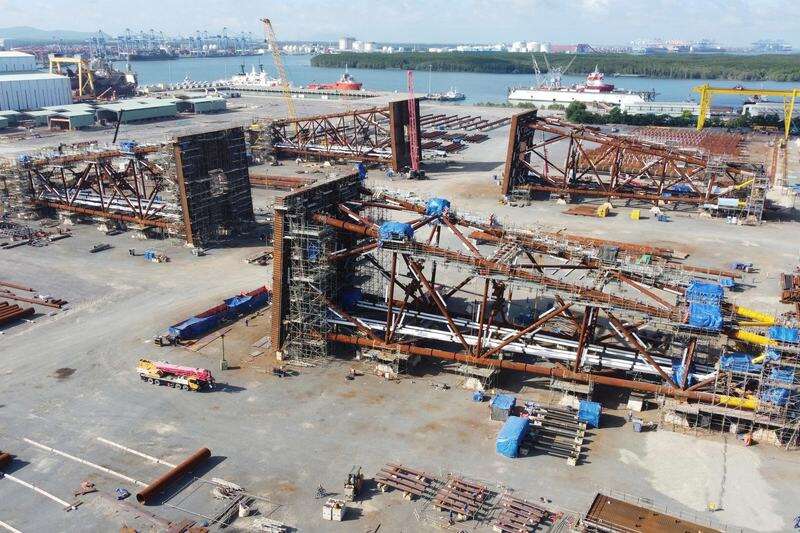
Vietnam Energy Projects Newsletter – October 3, 2026
Only one out of 18 LNG-to-power projects is on schedule; Pacifico Energy has been granted a survey license for a 1.3 GW offshore wind project; the first turbine has been installed at the 128 MW nearshore wind farm in Vinh Long; and the oil and gas sector is entering a new investment cycle.
Read more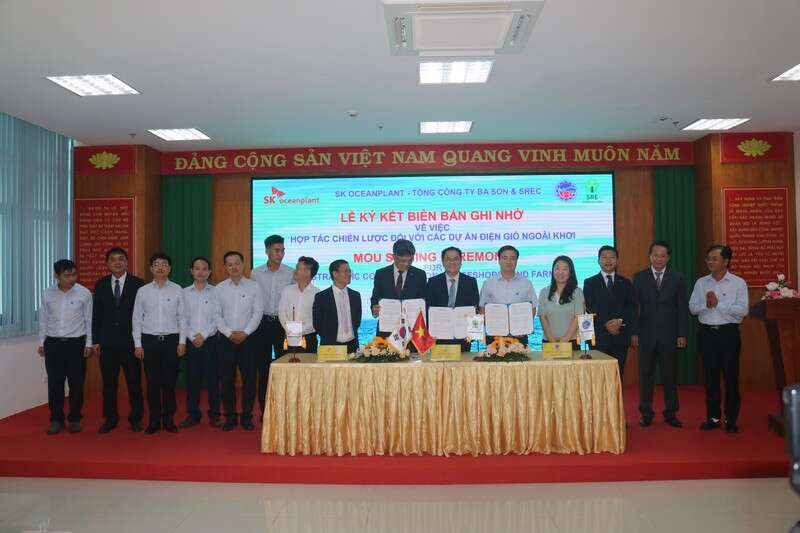
Signing ceremony for the Memorandum of Understanding on strategic cooperation with SK Oceanplant
On the morning of October 27, 2023, a signing ceremony for a memorandum of understanding (MOU) on strategic cooperation was held at Ba Son Port between the joint venture SRE Construction Joint Stock Company (SREC), Ba Son Corporation, and SK Oceanplant (SKOP).
Read more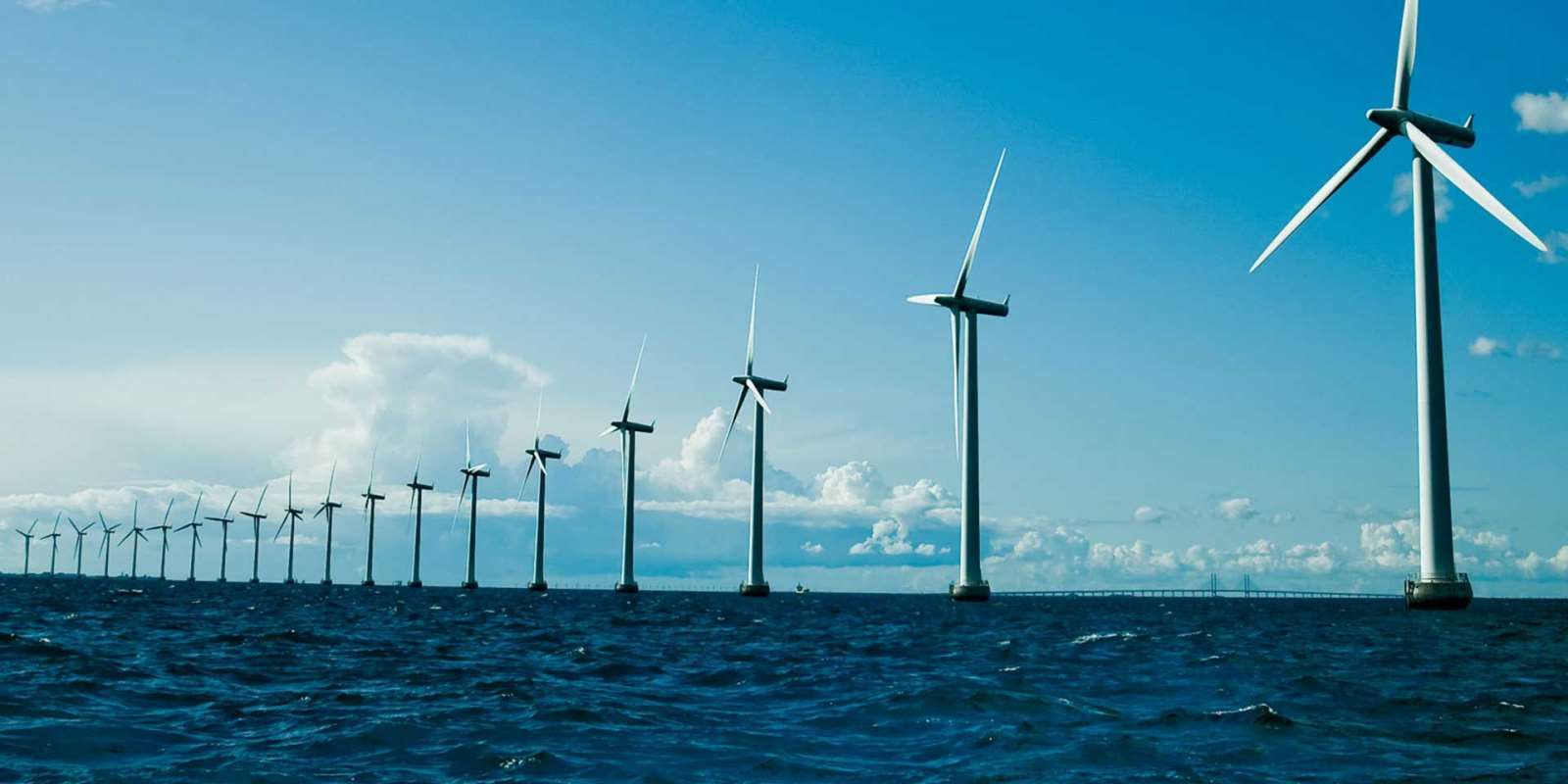
Offshore Wind Power in Vietnam – Potential for a New Energy Source and Related Concerns
In the global fight against climate change, achieving carbon neutrality targets makes energy transition a necessary step and plays a pivotal role. Coupled with recent global developments and the Vietnamese Government's commitment at COP26, the process of replacing fossil fuels in power generation with renewable, lower-emission sources has taken its initial steps in Vietnam.
Read more
Comments (0)
Hide commentsNo comments yet - be the first!
Leave a comment